Explore Coverage for Specialized Industries
Payment and Performance Bonds
What Are Payment and Performance Bonds?
Unlike traditional liability insurance that protects your business from accidents, a surety bond is a three-way financial guarantee between your company (the principal), the project owner (the obligee), and the insurance carrier (the surety). They are almost always required and issued together to protect the project owner’s investment:
- Performance Bonds: This guarantees to the project owner that you will complete the construction project exactly according to the contract’s specifications, timeline, and budget. If a contractor defaults or abandons the job, the surety steps in to finance the completion of the project.
- Payment Bonds: This guarantees that you will fulfill your financial obligations to pay all your subcontractors, laborers, and material suppliers. This is critical for the project owner because it ensures the property remains free of mechanic’s liens.
When Are Bonds Required in South Carolina?
Whether you are paving highways, building schools, or developing commercial centers, bonding is a standard requirement for major projects across the state:
- Public and Government Projects: Under South Carolina’s Little Miller Act, contractors are legally required to carry both payment and performance bonds, each at 100 percent of the contract value, for all state and municipal public construction contracts exceeding $100,000.
- Infrastructure Contracts: The South Carolina Department of Transportation (SCDOT) mandates performance and payment bonds for virtually all road, bridge, and infrastructure contracts statewide.
- Private Commercial Projects: Even without a state mandate, private developers and commercial property owners frequently require P&P bonds for high-value jobs to protect their investments and ensure the project moves forward smoothly.
What Does It Take to Get Bonded?
To approve your bond and determine your premium rate, carriers will review your:
- Financial Health: Business and personal credit scores, cash flow, debt levels, and available working capital.
- Track Record: Your history of successfully completing similar sized projects on time and on budget.
- Industry Experience: Your overall resume and business reputation in the construction field.
Premiums generally range from 1 to 3 percent of the total contract value for well-qualified contractors. Businesses with pristine financials, strong credit, and proven project histories secure the lowest possible rates.
LPG Gas Dealers
South Carolina LP Gas Board Insurance Requirements
Unlike many general businesses, South Carolina law specifically regulates the insurance limits for propane dealers. Under South Carolina Code, before you can obtain or renew your license as a propane transporter, dealer, reseller, cylinder exchange company, or appliance installer, you are legally required to carry a minimum of $500,000 in general liability insurance.
This mandatory policy must specifically include both manufacturer’s or contractor’s liability, as well as product liability coverage. Your insurance carrier is legally required to certify this coverage directly to the board through the Office of the State Fire Marshal, and your policy cannot be canceled without providing a 30 day notice to the state.
Core Coverages for Propane and LPG Dealers
To fully protect your business beyond the state minimums, a comprehensive LPG insurance package typically includes:
- Hazmat Commercial Auto Liability: Standard commercial auto policies will not cover hazardous material transport. Whether you operate bobtails, bulk transport trucks, or a fleet of service vans, you need specialized auto liability that includes MCS-90 endorsements to meet state and federal Department of Transportation requirements.
- General and Product Liability: Covers third party bodily injury and property damage resulting from gas leaks, faulty appliance installations, or explosions related to your delivered product or equipment servicing.
- Pollution and Environmental Liability: Protects against the astronomical cleanup costs, environmental agency fines, and legal claims associated with gas leaks, fuel spills, or contamination during transport, transfer, or bulk storage.
- Commercial Property and Bulk Storage: Covers your physical filling stations, bulk storage tanks, offices, warehouses, and cylinder inventory against fire, storm damage, theft, or vandalism.
- Workers Compensation: Propane distribution involves heavy physical labor, driving, and working with flammable materials. In South Carolina, carrying workers compensation is legally mandated for most businesses with four or more employees to cover medical expenses and lost wages if an employee is injured on the job.
Water Well Drilling
The South Carolina $25,000 Surety Bond Requirement
To legally operate in South Carolina, the Department of Labor, Licensing and Regulation (LLR) and the Environmental Certification Board require all Class A, B, C, and D well drillers to maintain an active $25,000 surety bond.
This bond is not traditional insurance; it acts as a financial guarantee to the state and the public that your well construction will comply with strict environmental and safety standards. If a well is constructed defectively and leads to contamination or remediation costs, the bond provides financial recourse. You cannot obtain or renew your state drilling license without this bond actively in place.
Core Insurance Coverages for Well Drillers
Beyond the mandatory state bond, drilling contractors face unique on-site risks that require a tailored commercial insurance package:
- General Liability: This is your primary defense against third-party lawsuits. It covers property damage and bodily injury claims, which is critical if your crew accidentally strikes an underground utility line or damages a client’s property during excavation.
- Contractors Equipment (Inland Marine): Well drilling requires massively expensive, specialized rigs. This coverage protects your heavy machinery from theft, vandalism, fire, or job-site accidents like a trench collapse, whether the equipment is in transit or parked on a job.
- Commercial Auto: A standard policy will not cover your heavy work trucks. You need a commercial auto policy to protect your drilling trucks, water haulers, and support vehicles while traveling between job sites.
- Workers Compensation: Drilling is physically demanding and dangerous. If your business regularly employs four or more workers, South Carolina law requires you to carry workers compensation to cover medical bills and lost wages if a crew member is injured on the job.
Breweries and Wineries
The South Carolina Liquor Liability Requirement
If you operate a taproom or tasting room, protecting against alcohol related claims is critical. Under South Carolina law, any establishment licensed to sell alcohol for on premises consumption that stays open past 5:00 p.m. must carry at least $1 million in liquor liability coverage.
Failing to maintain this coverage means losing your alcohol permit. However, recent state reforms allow businesses to lower this $1 million requirement through specific mitigation efforts. For example, stopping alcohol sales by midnight, having your entire staff complete state approved server training within 60 days of hire, or keeping alcohol sales under 40 percent of your total revenue can each significantly reduce your mandatory coverage limits, ultimately saving you money on premiums.
Specialized Coverage for Your Craft
Standard commercial property policies are not designed to handle the unique risks of brewing and winemaking. We can help you build a specialized industry package that goes far beyond a basic policy to protect your specific assets:
- Beverage and Food Contamination: Specialized policies offer aggregate coverage for beverage and food contamination. Additional buy-up options are available to increase these limits.
- Spoilage and Refrigeration Breakdown: You can secure coverage for spoilage. Policies also offer protection for refrigeration breakdown while your product is in transit.
- Tank Leakage and Collapse: Tank collapse coverage can be included up to your overall policy limit. Coverage for tank leakage is also available on a per-occurrence basis.
- Product Withdrawal Expense: If you are forced to recall a batch, you can secure aggregate coverage for product withdrawal expenses.
- Transit and Cargo: Coverage is available for property in transit in the care of carriers for hire. Optional coverage can also be added for delivery errors and omissions.
Jewelers
South Carolina Jewelers Insurance: Protect Your Precious Inventory
Running a jewelry store requires protecting highly valuable and easily portable assets. A standard commercial property policy often excludes or strictly limits coverage for gems and precious metals. At Tidwell Agency, we help South Carolina jewelers, custom designers, and wholesalers secure specialized Jewelers Block insurance so your inventory is fully protected against theft, damage, and loss.
What is Jewelers Block Insurance?
Jewelers Block insurance is a specialized form of inland marine insurance built specifically for the jewelry trade. Instead of a standard named peril policy, these are typically open peril policies, meaning they cover all losses unless explicitly excluded in the fine print.
A well-structured block policy provides comprehensive protection for:
- Your Stock: Covers physical loss or damage to your precious and semi-precious stones, finished jewelry, and precious metals.
- Entrusted Property: Protects items belonging to others that are left in your care, such as a customer’s family heirloom dropped off for repair or cleaning.
- Goods on Memo: Covers inventory that is out on consignment.
- Transit and Travel: Can be endorsed to protect your merchandise while it is being shipped, transported by armored car, or displayed at off-site trade shows.
Security and Compliance Requirements
Because jewelry stores face a significantly higher risk of burglary and robbery, obtaining this coverage is strictly contingent on your risk management protocols. When you purchase a policy, you are entering into a strict warranty with the insurance carrier.
To secure and maintain coverage, underwriters will require:
- Approved Alarm Systems: You must maintain a high-level, monitored security alarm system, often requiring line security technology that alerts monitors if the connection is cut.
- Safe Requirements: Policies frequently mandate that a specific percentage of your highest-value items be locked inside an approved safe or vault every night.
- Accurate Inventory: You must maintain meticulous, clean record keeping and conduct full physical inventories, as this documentation is critical for calculating claims after a loss.
Farmers
What Does a Farm Policy Cover?
A standard farm or agribusiness policy operates as a hybrid, blending elements of commercial business insurance with residential homeowner’s coverage if you live on the property. Core protections typically include:
- Farm Property and Dwellings: Covers your primary residence, as well as barns, silos, sheds, and other outbuildings, against perils like fire, wind, and hail.
- Farm Personal Property: Protects your heavy machinery, tractors, tools, and harvested crops or feed stored on the premises.
- Livestock Coverage: Provides financial protection for the loss of cattle, poultry, or other animals due to covered perils, such as accidental shooting, lightning strikes, or vehicle collisions.
- Farm Liability: Protects your farm if a visitor is injured on your property, or if your livestock escapes their fencing and causes an accident on a public road. It covers medical bills and legal defense costs.
Crucial Considerations for South Carolina Farmers
Operating an agricultural business in the Palmetto State comes with specific regulations and risks that require careful policy structuring:
- Agritourism and Public Liability: If your farm supplements its income with u-pick patches, corn mazes, farm tours, or roadside produce stands, your liability risk increases significantly. Standard farm policies may not cover these activities, requiring specialized endorsements to handle the high volume of public foot traffic.
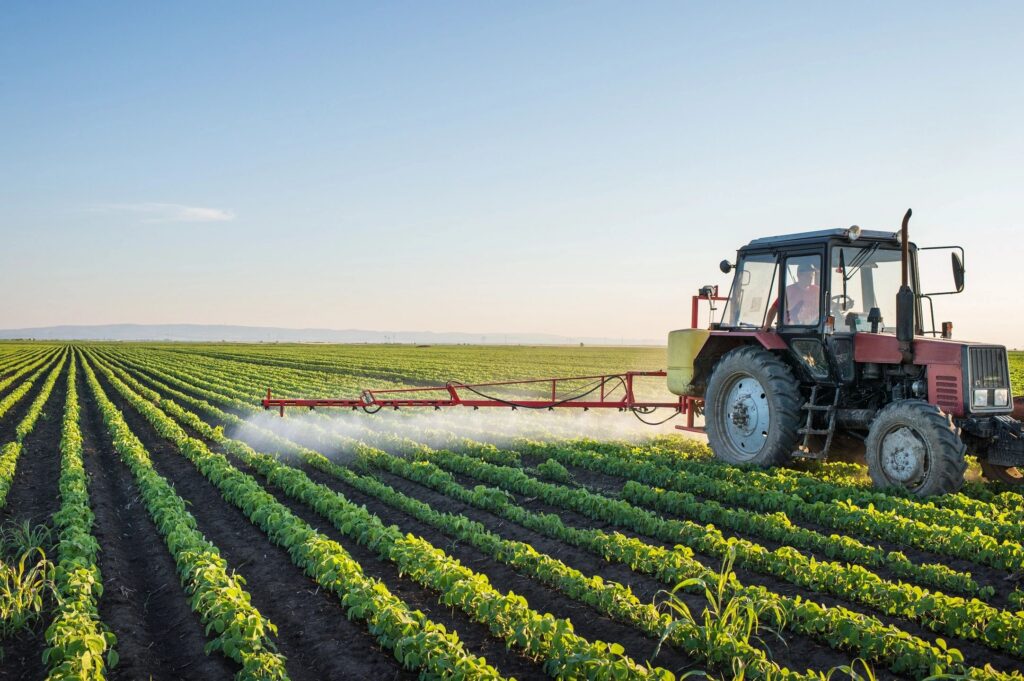
- Environmental Liability: Farmers regularly handle fertilizers, pesticides, and animal waste. Standard liability policies often exclude pollution. If chemicals accidentally leak and contaminate a neighboring property or water supply, you will need a dedicated environmental liability endorsement to cover the massive cleanup costs and regulatory fines.